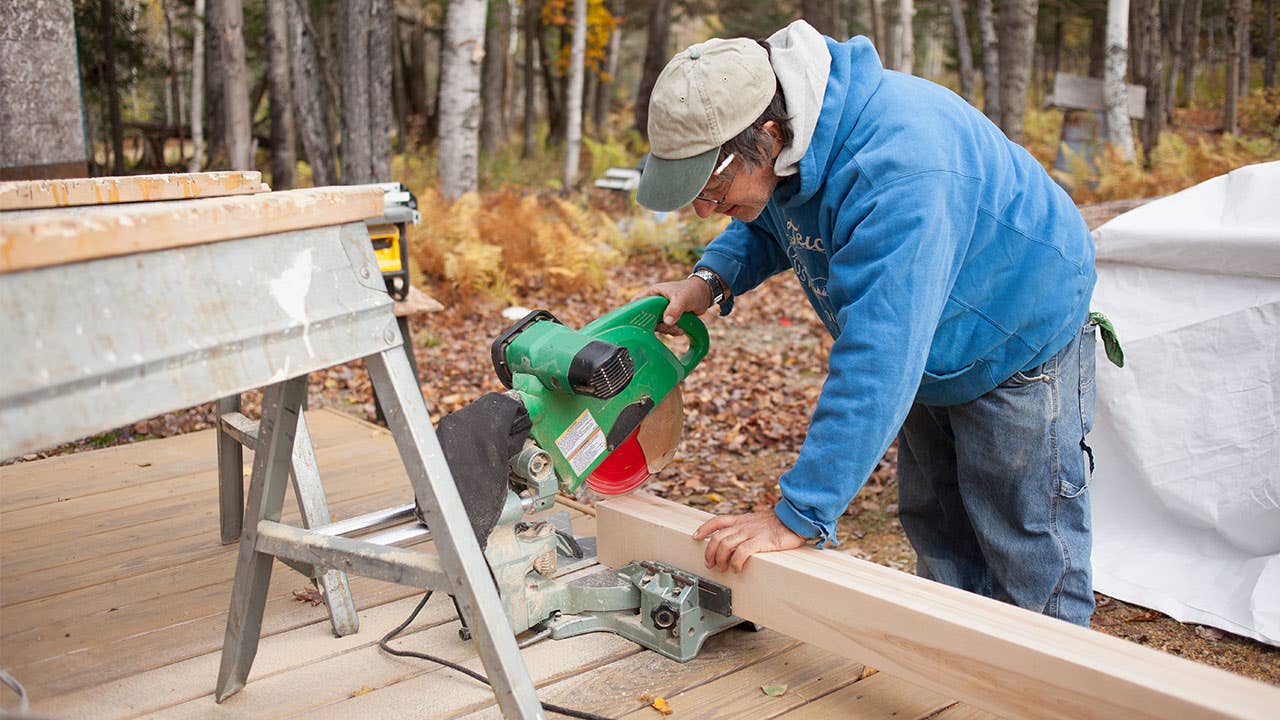
Home improvements are crucial for maintaining the integrity, functionality, and value of your home. However, the cost of making repairs or upgrades can be a significant financial burden for many homeowners. Fortunately, a variety of homeowner grants for home improvement are available from federal, state, and local agencies. These grants are an excellent resource because they don’t need to be repaid, unlike loans. They can help cover the costs of essential home improvements, particularly for low-income families, senior citizens, and those living in rural areas. Below, we explore the different grants available and how you can apply for them.
Federal Grants for Home Improvement
The federal government offers several home improvement grants aimed at improving housing conditions, particularly for vulnerable or low-income homeowners. These programs focus on repairs that enhance energy efficiency, safety, and livability.
Weatherization Assistance Program (WAP)
The Weatherization Assistance Program (WAP) is one of the longest-running energy-efficiency programs in the U.S. It assists low-income homeowners by funding energy-efficient upgrades to reduce utility costs. This program targets households that have difficulty paying energy bills, offering long-term solutions to reduce energy consumption.
Homeowners who qualify for WAP may receive upgrades such as insulation installation, weather stripping, heating system repairs, and window sealing. These measures not only lower utility bills but also improve comfort and home health by ensuring adequate indoor temperatures.
To be eligible, applicants must meet certain income requirements, usually no higher than 200% of the federal poverty guidelines. The program prioritizes elderly residents, households with young children, and individuals with disabilities.
Section 504 Home Repair Program
The Section 504 Home Repair Program, also known as the Single Family Housing Repair Loans & Grants program, is administered by the U.S. Department of Agriculture (USDA). It is designed to help low-income rural homeowners repair and modernize their homes. The grant portion of this program, in particular, targets elderly homeowners who need assistance making necessary safety and health-related repairs.
To qualify for this grant, applicants must be at least 62 years old and unable to repay a loan. The grant is used to remove health hazards such as structural damage, poor plumbing, and electrical issues. Depending on the extent of repairs needed, eligible homeowners can receive up to $10,000 in grant funding.
This program is especially beneficial for rural residents living in areas with limited access to conventional loan products. By addressing critical health and safety repairs, it helps homeowners maintain the safety and livability of their homes.
Rural Housing Repair Loans and Grants Program
This program is also administered by the USDA and provides both loans and grants to very low-income homeowners. Like the Section 504 Program, this initiative focuses on rural homeowners who need assistance with repairs or improvements to maintain safety and livability standards.
Homeowners who are eligible for grants under this program must be at least 62 years old and unable to repay a loan. Grants may cover repairs such as fixing a leaking roof, improving accessibility for disabled residents, or addressing severe structural issues. In addition to grants, loans are available up to $20,000 with low interest rates, offering an opportunity for homeowners who need a more extensive range of repairs.
State and Local Home Improvement Grants
While federal grants provide significant assistance, state and local home improvement grants can offer additional resources tailored to the specific needs of homeowners within certain regions. These grants often complement federal programs and address local housing needs. Many states have housing finance agencies or other entities that administer these grants, often in collaboration with nonprofit organizations.
State Energy Efficiency Grants
Many states offer grants focused on improving home energy efficiency. These grants are designed to help homeowners reduce energy consumption by making specific upgrades such as improving insulation, upgrading heating and cooling systems, or installing energy-efficient appliances. These state programs often align with federal initiatives like the Weatherization Assistance Program but may also provide additional incentives for residents.
For example, the California Energy Commission offers incentives for homeowners who upgrade their homes to be more energy-efficient, while the New York State Energy Research and Development Authority (NYSERDA) provides grants to help homeowners improve home energy performance through insulation, windows, and solar panel installations.
Eligibility requirements for state energy grants typically involve income limits, and some states focus on specific geographic areas or target groups, such as seniors or disabled individuals.
Local Government Home Improvement Grants
Local governments often offer targeted home improvement grants that focus on improving housing stock within their municipalities. These grants are generally aimed at low-income residents and often focus on repairs that address critical health and safety concerns, such as plumbing, heating, roofing, and electrical work.
For instance, cities like Chicago, Atlanta, and Philadelphia have programs that provide financial assistance for home repairs. These grants may be available to homeowners who meet income requirements and live in specific neighborhoods where housing upgrades are prioritized to promote community development.
Nonprofit and Private Sector Grants
In addition to federal, state, and local government grants, various nonprofit organizations and private sector initiatives offer grants to help homeowners with repairs and improvements. These programs are often aimed at specific populations such as veterans, disabled individuals, or seniors.
Organizations like Rebuilding Together offer grants and volunteer services to help low-income homeowners complete critical home repairs. Veterans may also qualify for home improvement grants through the Department of Veterans Affairs, which provides funding for modifications to improve accessibility for disabled veterans https://thehomeimprovements.net/.
Maximizing Your Home Improvement Opportunities
Whether you’re making necessary repairs to maintain the safety of your home, upgrading for energy efficiency, or improving accessibility, home improvement grants can significantly reduce the financial burden. By exploring federal, state, and local grant options, homeowners can find programs that align with their needs and qualifications. Understanding how to access and apply for these grants ensures that homeowners can make essential improvements, increase their property value, and enhance the overall comfort and safety of their living spaces.